Thriving upon breakthrough technologies to overcome complexity
EMXYS spaceflight track record backs to 2007 and, since then, the spirit for quest of technical excellence on the most demanding missions remains unwavering, inspiring our staff in reaching the highest technical and quality standards to face the most complex challenges.
Upcoming Missions
2028
Don Quijote
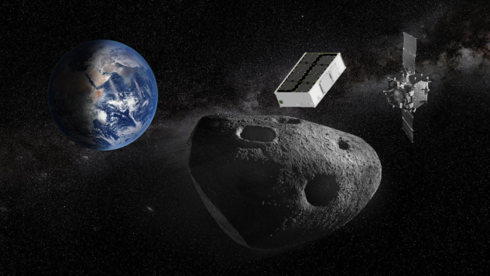
EMXYS is developing a 6U CubeSat (named Don Quijote) as part of ESA’s RAMSES mission to study the near-Earth asteroid (99942) Apophis during its close encounter with Earth in 2029. Designed and built by EMXYS, the CubeSat will be deployed from the RAMSES mothercraft from 72 to 48 hours before the asteroid’s closest approach to Earth on April 13th 2029.
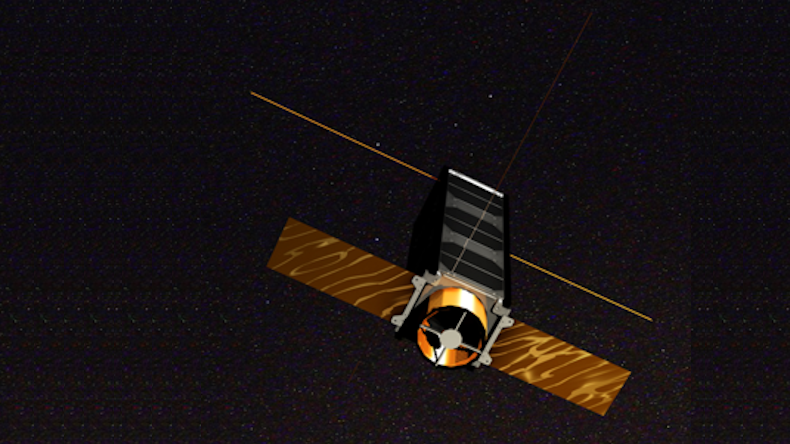
POLITECH-1 is a 3U CubeSat mission based on the ODALISS platform architecture, developed by Universitat Politècnica de València (UPV) in collaboration with Emxys.
The mission, designed by UPV and fully integrated in the Valencian Community, demonstrates three payloads in orbit: GEODEYE for Earth observation, HiDAC for C-Band high-data-rate downlink, and LEON for cosmic radiation measurements.
2027
Politech
2027
ODALISS
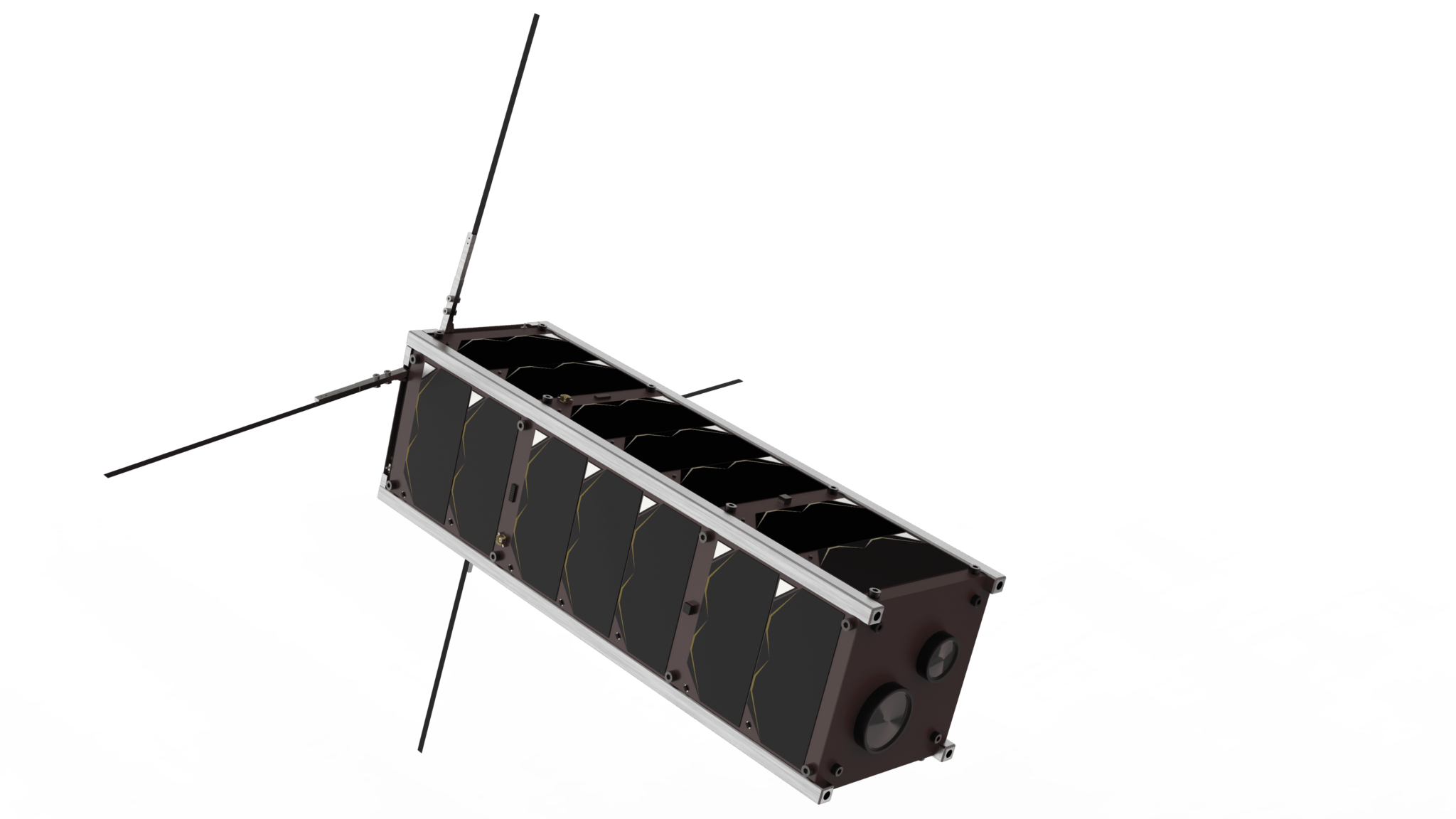
The ODALISS platform is based on a flexible payload to be connected in a scalable architecture. The interface includes different power lines (regulated and unregulated), serial communication interfaces and digital control lines providing a perfect interface for any payload designer.
Older Missions
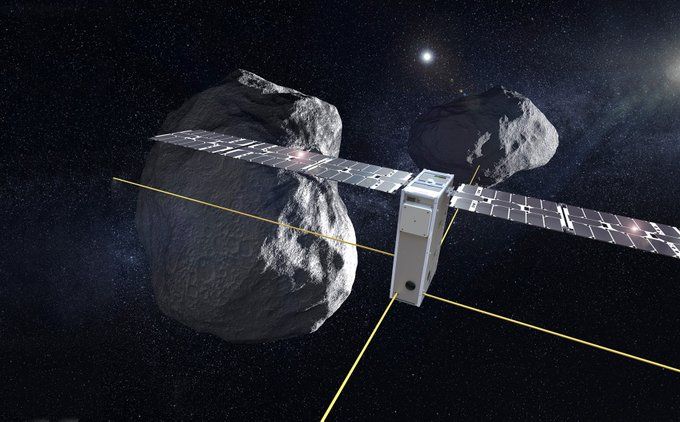
EMXYS is the prime contractor of the gravimetry instrument GRASS onboard JUVENTAS CubeSat.
EMXYS is responsible of engineering, mechanical and electronical design of the gravimeter, involving very low noise mixed-signal electronics.
GRASS is currently bound to Dimorphos asteroid on board the Hera spacecraft, launched in October 2024 and planning to reach the asteroid on November 2026.
2024
HERA
2020
UPMsat-2
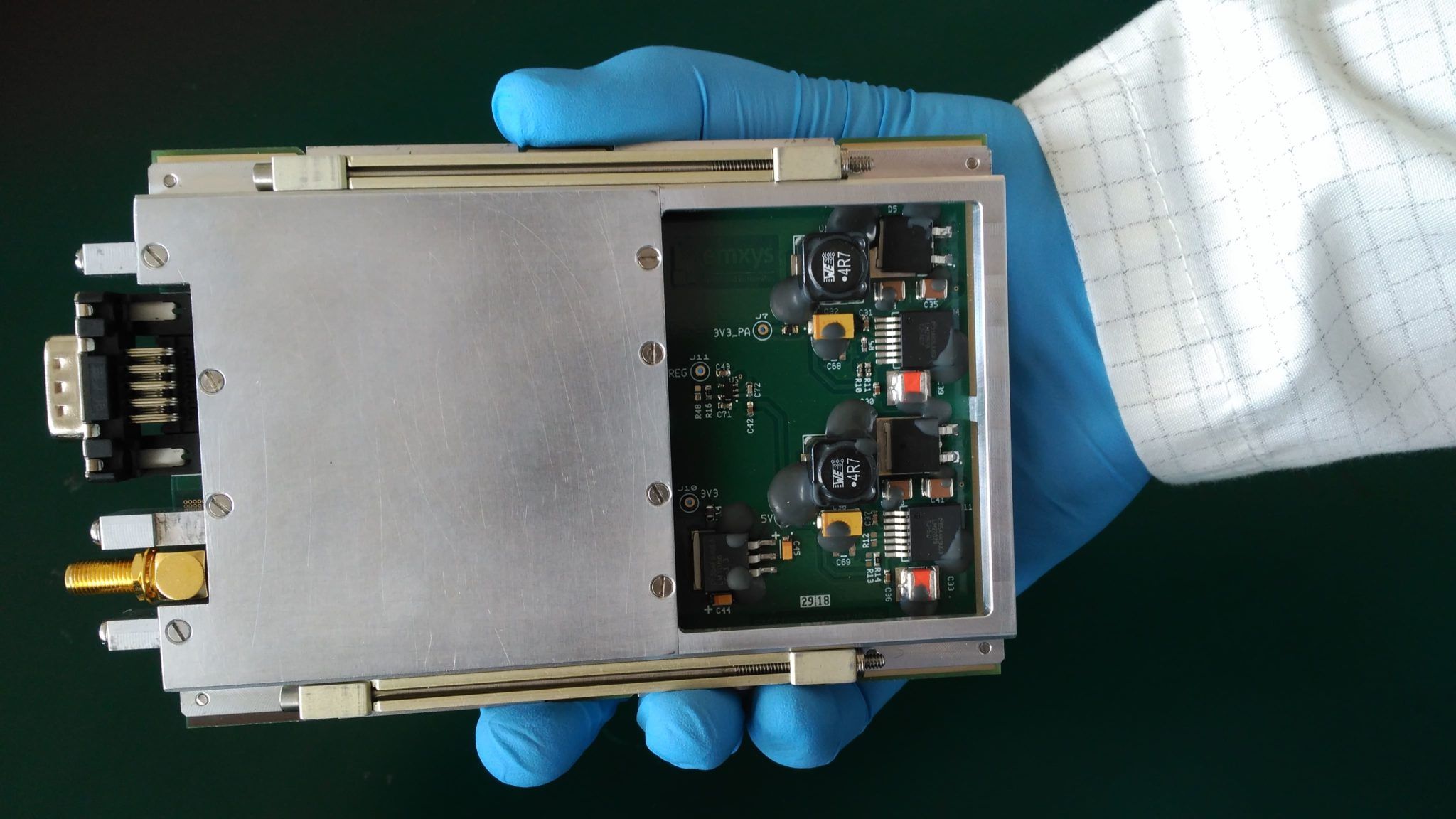
The satellite's on-board electronics unit implements an advanceed UHF-band radio transceiver capable of remote reconfiguration from both the ground station and the satellite's on -board computer.
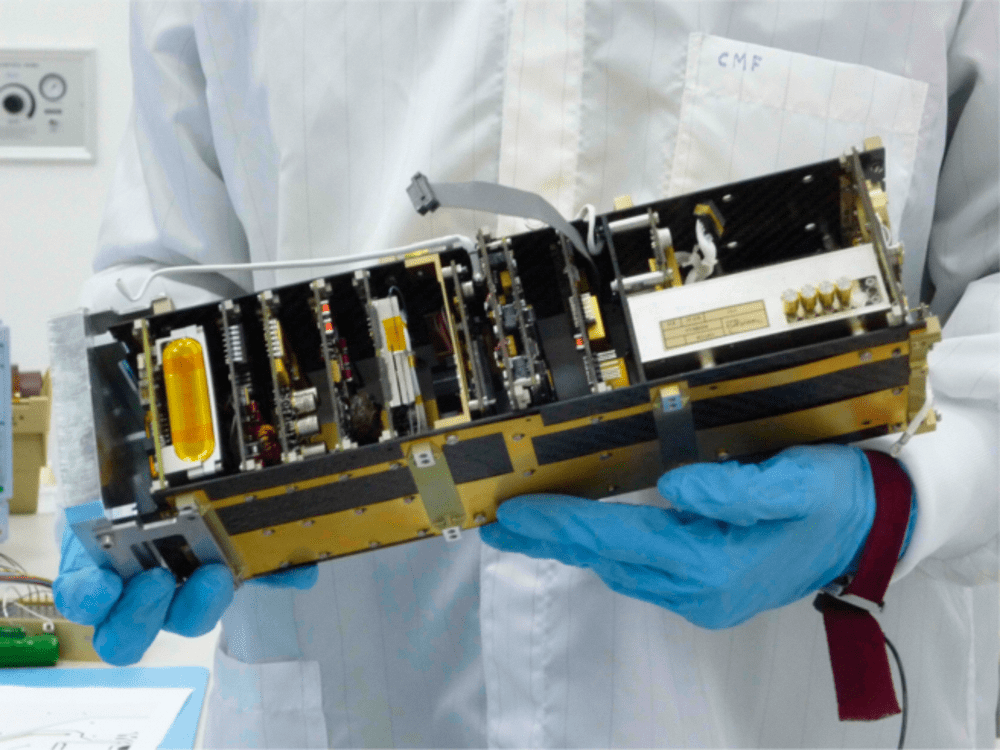
OPTOS Nanosatellite Experiment INTA (National Institute of Aerospace Technology). EMXYS developed the FBG sensor readout optoelectronics (interrogation unit) based in a tunable laser source including the active thermal control stage.
2013
OPTOS
2010
T-REX JAXA
T-REX (Tether-Rocket Experiment) was a sounding rocket mission on board a S-520 JAXA sounding rocket, participated by NASA MSFC. T-REX aimed to demonstrate the operation of an Electrodynamic tether probe in upper atmosphere.
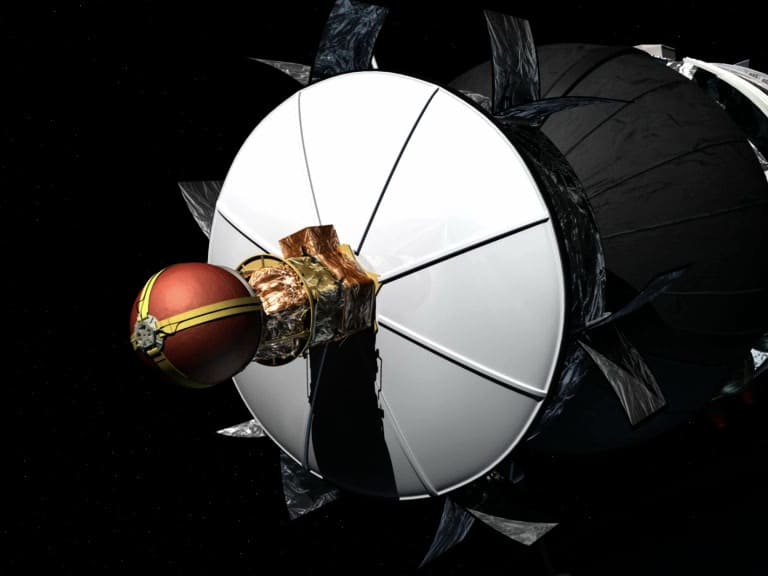
ESA's Young Engineers Satellite 2 experiment was launched on September 14, 2007. After 12 days in orbit, a 30-km long, half-millimeter diameter tether (thin cable) was deployed to de-orbit the spacecraft. This experiment demonstrated the feasibility of the SpaceMail concept for returning payloads to Earth.